- Coding encourages kids to break down complex problems into smaller, manageable parts.
- By debugging their code, children learn persistence and critical thinking.
- Coding is a form of creative expression, allowing kids to bring their ideas to life through interactive projects.
- Building games, animations, and websites sparks imagination and innovation.
- Technology is the backbone of our future economy, and coding skills are in high demand.
- Kids who learn to code early gain a competitive edge in future STEM careers.
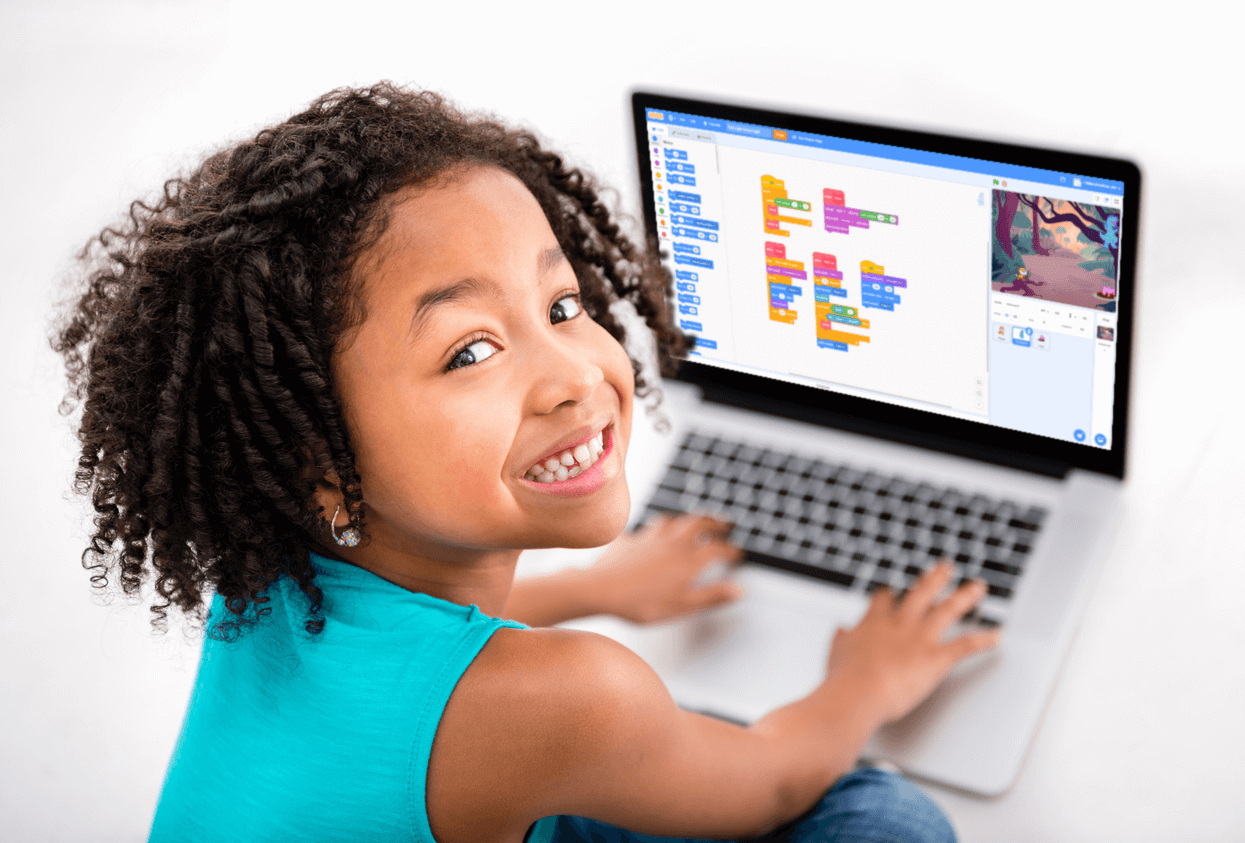
- Platforms like "Scratch" offer a fun, interactive way for kids to learn coding concepts.
- Games such as "CodeCombat" and "Tynker" make learning coding languages exciting.
- Robotics kits like "LEGO Mindstorms" and "Ozobot" combine play with coding principles.
- "Sphero" and "Cubetto" introduce programming through hands-on, tactile experiences.
- Designed for beginners, Scratch uses a block-based visual interface to create animations, stories, and games.
- Its drag-and-drop system makes coding accessible and engaging for young learners.
- Known for its simple syntax, Python is widely used in educational settings.
- Kids can create games, web applications, and even control robots with Python.
- Simplified versions of JavaScript, such as "Blockly" and "P5.js," introduce kids to the world of web development.
- They can create interactive websites, animations, and browser-based games.
- Set up a dedicated area with a computer or tablet for coding activities.
- Ensure good lighting and comfortable seating to encourage prolonged coding sessions.
- Provide access to coding resources such as books, online tutorials, and coding kits.
- Encourage kids to experiment, create their projects, and solve problems independently.
- Joining coding clubs or classes exposes kids to a community of like-minded peers.
- They can collaborate on projects, share ideas, and learn from each other's successes and challenges.
- Qualified instructors provide structured learning experiences and guidance.
- Mentors can inspire kids with real-world examples of how coding is used in various industries.
Coding for Kids: A Gateway to Creativity and Future Success
In today's fast-paced, technology-driven world, coding has become a crucial skill for children to learn. The ability to understand and create code not only opens doors to exciting career opportunities but also fosters problem-solving skills, creativity, and logical thinking from a young age. As parents, educators, and mentors, introducing coding to kids can pave the way for a bright future filled with innovation and digital literacy.
The Importance of Coding Education for Kids
1. Building Problem-Solving Skills
2. Fostering Creativity and Innovation
3. Preparing for the Future Job Market
Fun and Engaging Ways to Introduce Kids to Coding
1. Coding Games and Apps
2. Educational Coding Toys
Popular Coding Languages for Kids

1. Scratch
2. Python
3. JavaScript
How to Create a Coding-Friendly Environment at Home
1. Designated Coding Space
2. Encourage Exploration and Hands-On Learning
Benefits of Coding Clubs and Classes for Kids
1. Collaboration and Peer Learning
2. Professional Guidance and Mentorship

- Many coding platforms use visual, block-based interfaces that simplify coding concepts.
- Kids can start with basic commands and gradually progress to more advanced topics.
- Coding can be integrated into other subjects, such as math, science, and even art.
- It enhances problem-solving skills that benefit kids in all areas of learning.
- Encourage exploration by introducing a variety of coding languages and projects.
- Offer praise and recognition for accomplishments, no matter how small, to keep motivation high.
- Kids as young as 5 or 6 can start with visual programming languages like Scratch.
- As they grow older, they can progress to more advanced languages like Python or JavaScript.
- While a computer or tablet is ideal, many coding apps and games can be accessed on smartphones.
- Libraries and community centers often offer coding workshops with access to computers.
- Encourage hands-on projects and provide access to coding resources at home.
- Explore coding camps, clubs, or online classes where kids can further develop their skills.
- No, coding skills are valuable across all fields, from arts and sciences to engineering and healthcare.
- Learning to code enhances problem-solving abilities applicable in any career path.
- Websites like "Codecademy" and "Khan Academy" offer free coding courses for beginners.
- Books such as "Coding for Kids" series provide step-by-step guides for both kids and parents.
Addressing Common Concerns About Kids Learning to Code
1. Isn't Coding Too Complex for Kids?
2. Will Learning to Code Take Away from Other Activities?
3. What if My Child Loses Interest?
Coding for Kids: Empowering the Next Generation of Innovators
In conclusion, introducing kids to coding at an early age is more than just preparing them for future careers—it's about nurturing essential skills that will serve them throughout their lives. Coding encourages creativity, problem-solving, and critical thinking, all while opening doors to exciting opportunities in technology and beyond. By creating a supportive and engaging environment, parents and educators can empower children to become the innovators and leaders of tomorrow.
FAQs About Coding for Kids
1. What Age Should Kids Start Learning to Code?
2. Do Kids Need a Computer to Learn Coding?
3. How Can Parents Support Their Child's Interest in Coding?
4. Is Coding Only for Kids Interested in Technology Careers?
5. What Are Some Resources for Parents to Learn Coding Alongside Their Kids?
Embrace the world of coding with your child today and watch as they embark on a journey of discovery, innovation, and endless possibilities!
Get Started with Coding Today!
Unlock the potential of your child's future with coding. Begin their coding journey now and witness the incredible growth and creativity that unfolds.
Comments
Post a Comment